Children's oral care is really two challenges: keeping their teeth clean, and keeping the habit alive through the years when they would rather do literally anything else. The winning approach changes with age — what works for a toddler fails for a nine-year-old. Here is the age-by-age playbook.
Ages 0–3: You Do the Brushing
Before school age, the parent does the actual cleaning — a child's dexterity cannot handle a brush properly until around age 7 or 8. Use a rice-grain smear of fluoride toothpaste from the first tooth, and a soft, small-headed manual brush twice a day.
Position beats persuasion: sit on the floor with the child's head in your lap, or have them lie on the changing table. You will see the teeth, and the angle lets you clean the gumline without a battle. Keep it to two minutes maximum and end on a win.
Ages 4–6: Coaching and Hand-Over-Hand
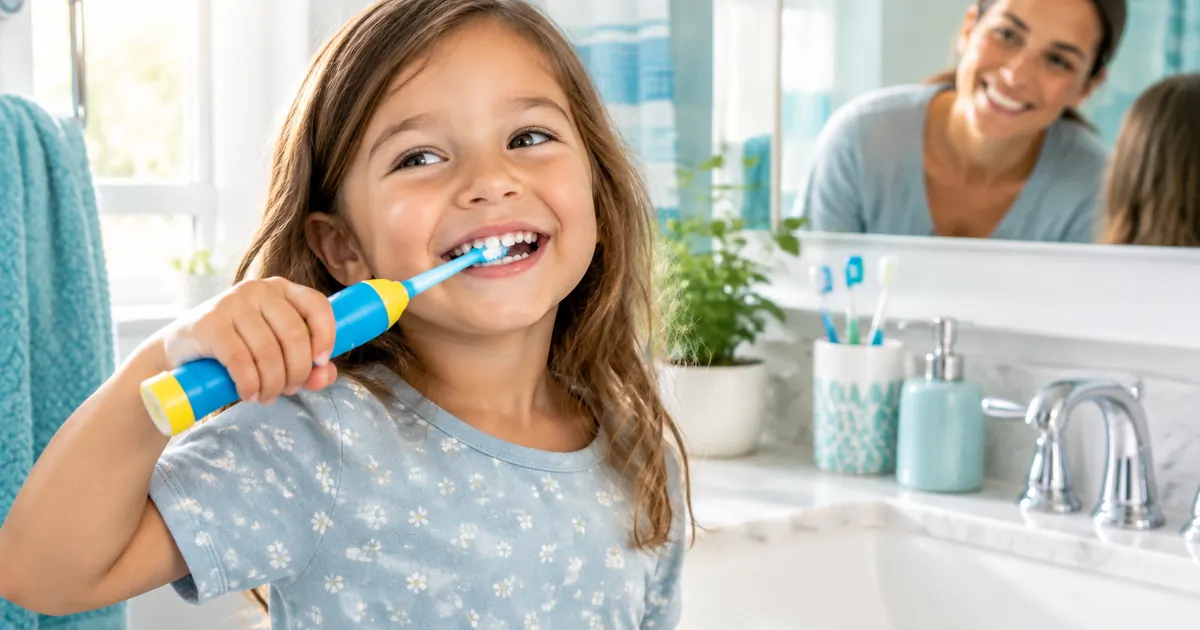
The child brushes first, then the parent "checks" — which means doing the real pass on the gumlines and molars. Make the check a game: find the sugar bugs, count to ten per side. This is also the age for the first electric brush if it helps enthusiasm: a kids' electric brush with a compact head and 60-day battery turns brushing from a chore into a gadget, and the built-in timer teaches the two-minute habit early.
Ages 7–10: Independence With Inspection
Dexterity is now sufficient — but motivation is the weak point. The tools that work:
- Their own timer or a two-minute song. The timer does the discipline so you do not have to.
- A wall-mount holder at their height. Ownership of a "their" bathroom station increases follow-through remarkably.
- Interdental brushes introduced gently. A 0.7mm interdental set between the back molars, framed as "the tool the dentist uses," lands well at this age.
Keep inspecting weekly: lift the lip, check the gumline of the lower front teeth — the first place kids' hygiene fails.
The Orthodontic Years: Braces Change Everything
Brackets and wires create a dozen new plaque traps, and cleaning them properly takes three times as long. The kit that works: a V-trim orthodontic brush for the brackets, interdental brushes to clean under the archwires, and patience. This is also the highest-stakes period — decalcification around brackets is permanent and visible when the braces come off.
Electric or Manual for Kids?
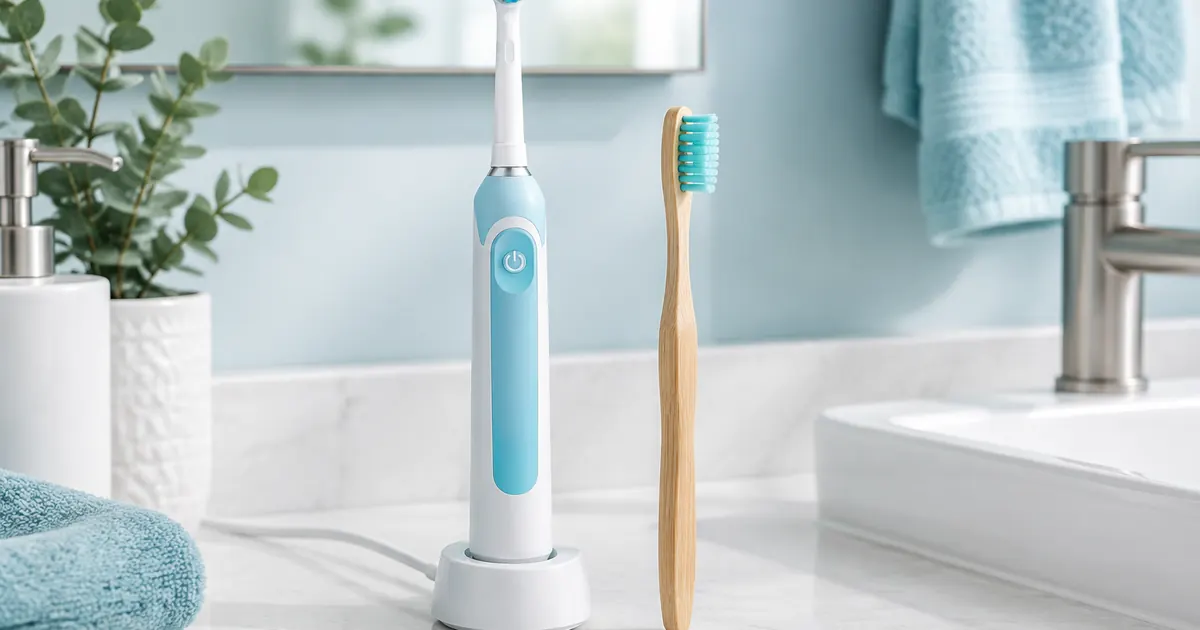
Whichever the child will use. For reluctant brushers, the gadget factor of a kids' electric is genuinely persuasive; for kids who already brush happily, a soft manual with their favorite character does the same job. The non-negotiables at every age: soft bristles, a head sized for their mouth, and a parent doing the final check until age 8 or so.
First Dental Visits and Fluoride
First visit by the first birthday — early visits are short, gentle, and establish the dentist as routine rather than emergency. On fluoride: use fluoride toothpaste in the amounts above, and follow your dentist's guidance on supplements based on your local water.
Making It Stick: The Systems That Work
- Same time, same order, every day. After breakfast and before bed — habit slots beat willpower.
- Let them choose the tool. A brush in their favorite color that they picked out gets used more than a better brush they did not.
- Model it. Kids who see parents brush actually brush. The family routine beats the family lecture.
- Track streaks, not perfection. A calendar with checkmarks for twice-daily days — the streak is the game.
Diet: The Other Half of the Equation
Brushing removes plaque, but diet decides how much damage the plaque can do. Frequency matters more than quantity: a sippy cup of juice sipped across an afternoon does far more harm than the same juice drunk with lunch, because each sip restarts the acid attack on enamel. Keep sweet drinks to mealtimes, keep water as the between-meals default, and the brushing you already do becomes dramatically more effective.
The same logic applies to sticky snacks — dried fruit, gummies, crackers that paste themselves into molar pits outlast a candy bar's sugar hit. If you can, follow any of these with water and a 30-minute wait before the next brush. Bedtime bottles and grazing after the evening brush are the two habits worth fighting hardest, because they work against a full night of undisturbed plaque.
The Long Game
Every dollar and argument invested in the first ten years pays back for a lifetime: adult teeth are the ones they will have at 40. Build the routine, upgrade the tools as they grow, and hand over the habit gradually. For every age and stage, browse our manual and electric toothbrush collections.