Walk into the oral care aisle and the marketing writes checks the science has to cash: is an electric toothbrush genuinely better, or just more expensive? The honest answer is that both can clean excellently — but they fail in different ways, and knowing which failure mode matches your habits is what actually decides the winner for your bathroom.
What the Evidence Says
Systematic reviews of powered versus manual brushing find that electric toothbrushes — specifically oscillating-rotating and high-frequency sonic models — remove modestly more plaque and reduce gingivitis more effectively over three months of use. The difference is real but not magical: think single-digit percentage improvements in plaque scores, not night and day.
Where electrics pull further ahead is consistency. A sonic brush delivering 40,000 vibrations per minute does not get tired, rushed, or sloppy at the end of a long day. The built-in two-minute timer — the feature nobody thinks they need until they use it — corrects the single biggest failure of manual brushing: almost everyone under-brushes. Most manual brushers average 45 to 90 seconds.
Where Manual Brushes Win
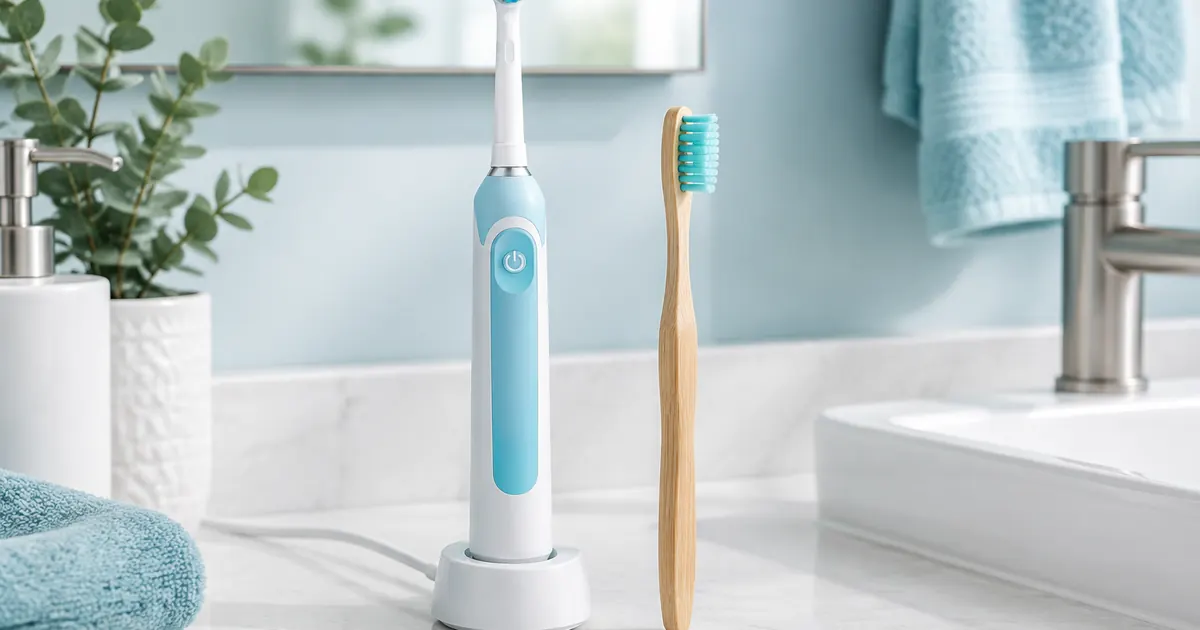
A soft bamboo manual toothbrush remains a completely legitimate tool, and in specific situations the better one:
- Travel — no charger, no battery anxiety, and a slim travel case slips into any bag.
- Post-surgery or sensitive periods — an ultra-soft manual brush gives you complete pressure control when gums are tender.
- Kids learning technique — a manual brush builds awareness of what brushing feels like before outsourcing motion to a motor.
- Budget — a quality manual brush costs less than a coffee; electrics pay off over years, not immediately.
The Failure Modes
Manual brushes fail through technique
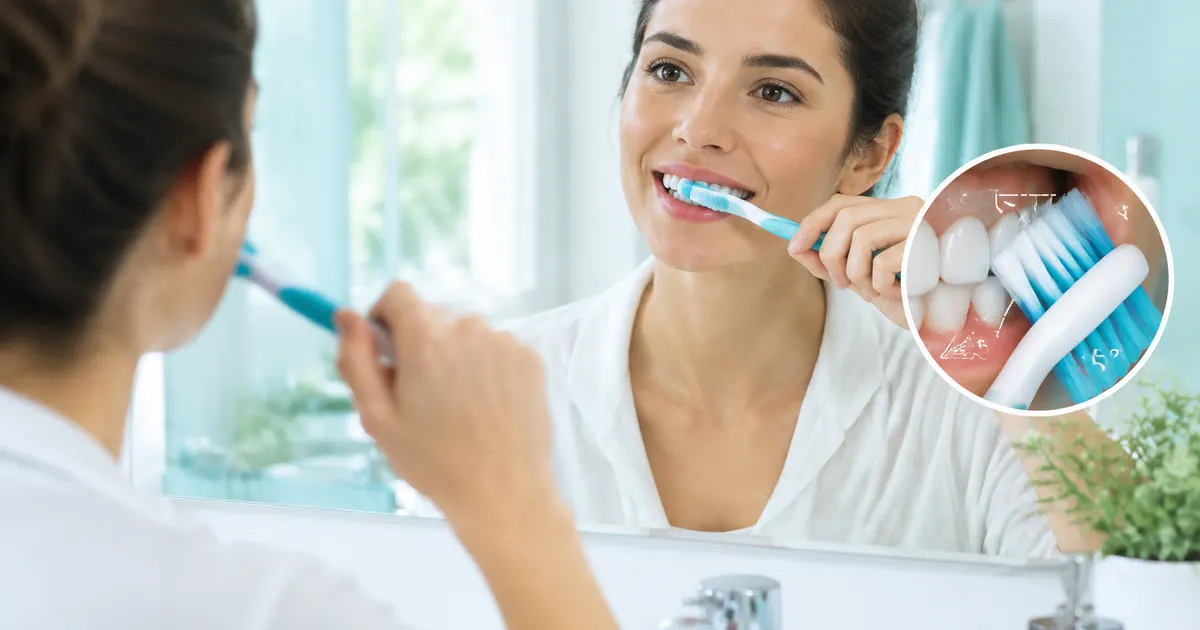
Scrubbing too hard (which recedes gums), missing the gumline, and rushing are the classic errors. If you brush manually, use small circles at 45 degrees to the gumline and brush for a full two minutes — time it once, and the number will surprise you.
Electric brushes fail through complacency
The motor does the work, so it is tempting to just hold the head and drift. You still need to guide the head tooth by tooth along the gumline. The brush makes good technique easier, not unnecessary.
Matching the Brush to Your Mouth
Choose electric if any of these apply: you have had several cavities as an adult, your hygienist keeps flagging plaque at the same teeth, you have braces or a fixed retainer, or you simply will not brush two minutes without a timer. A smart app-connected brush with multiple cleaning modes adds real value here — the sensors flag the molar you keep skipping.
Choose manual if your technique is already solid, you brush after every meal and need something that lives at the office, or you are equipping a travel kit or guest bathroom.
Cost per year evens out, too: a mid-range electric with affordable replacement heads costs roughly the same annualized as quarterly manual brush replacements plus the hygienist time you save.
Many people land on the hybrid approach: an electric brush for the morning and evening routine at home, and a manual brush for the office drawer and travel bag. What matters for your teeth is that something effective happens twice a day, every day — whichever tool makes that most likely for you is the right one.
What Happens at the Hygienist Chair
A useful thought experiment: hygienists see the results of both approaches daily, without any marketing filter. The patients with the least plaque and the healthiest gumlines are disproportionately electric-brush users — not because the motor is magic, but because those patients reliably brush the full timed cycle at the gumline. Ask your own hygienist at your next visit; the answer is consistent across practices.
That said, hygienists can also spot a poorly used electric in seconds: the tell is clean front teeth and inflamed back molars, from holding the head where it is easy and drifting where it is not. The tool amplifies the habit; it does not replace it.
The Bottom Line
Whichever you pick, replace what you have on the same three-month clock — the tool matters less than the freshness of its bristles.
Electric brushes have a real, evidence-backed edge in plaque removal and consistency, mostly through timers and sustained motion. Manual brushes remain effective, cheaper, and better for travel and sensitive gums. Whichever you choose, the bristles should be soft or ultra-soft — hard bristles do not clean better, they just damage faster. Browse our electric toothbrushes and manual toothbrushes to find your match.