Most adults brush twice a day and still develop gum disease or new cavities. The problem is rarely dedication — it is technique. Brushing wrong twice a day for years compounds into real damage, while a few small corrections change your next hygiene appointment. Here is what to fix, in order of impact.
Mistake 1: Scrubbing Like You Are Cleaning a Pan
The most damaging habit in oral care is horizontal sawing with firm pressure. This abrades enamel at the gumline and drives gums into recession — and recession never grows back. The corrected technique is gentle pressure with the brush head angled at 45 degrees to the gumline, using small circles or short strokes.
Use a soft or ultra-soft bristle brush and let the bristles do the work. If your brush bristles splay outward within weeks, that is pressure damage — from the brush, and eventually from your gums. Electric brushers get pressure warnings on smart models for exactly this reason.
Mistake 2: The 45-Second Brush
Most people brush for under a minute. Plaque disruption needs contact time: the standard is two full minutes, twice a day. Time yourself tonight — most first-timers are shocked.
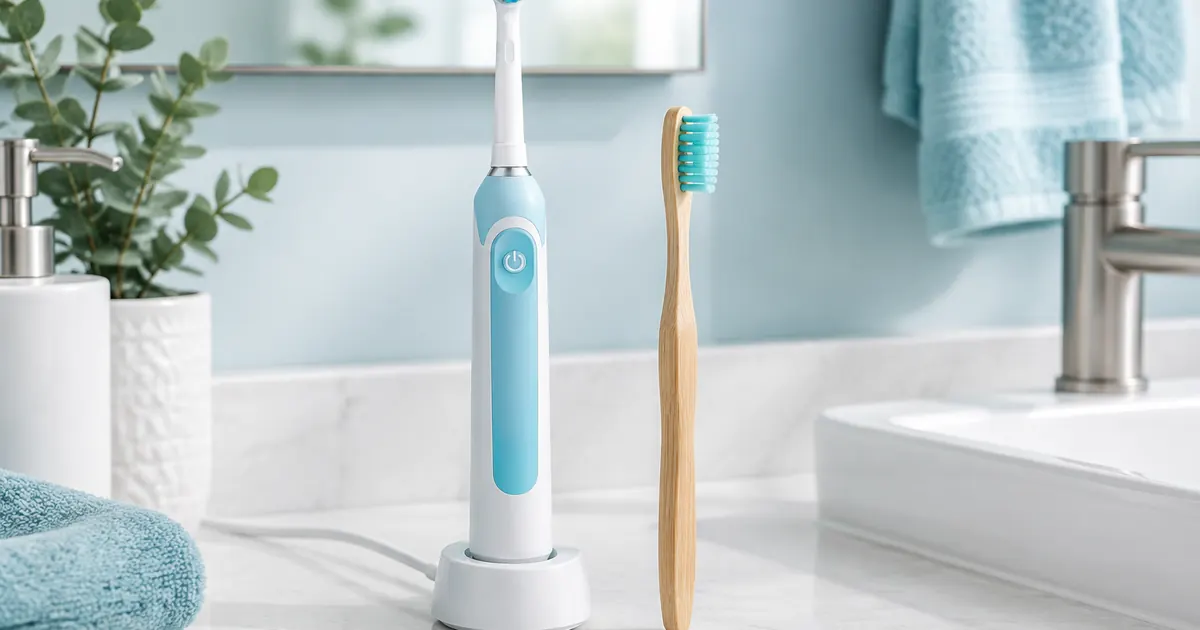
This is the strongest argument for electric brushes: a sonic or oscillating model with a two-minute timer (many add 30-second quadrant pulses) makes adequate duration automatic instead of aspirational.
Mistake 3: Skipping the Gumline
Cavities start in the pits of back teeth, but gum disease starts exactly where the tooth meets the gum — the area most brushers skim over or avoid because it feels tender. That tenderness is usually inflammation; gentle cleaning of the gumline is what resolves it.
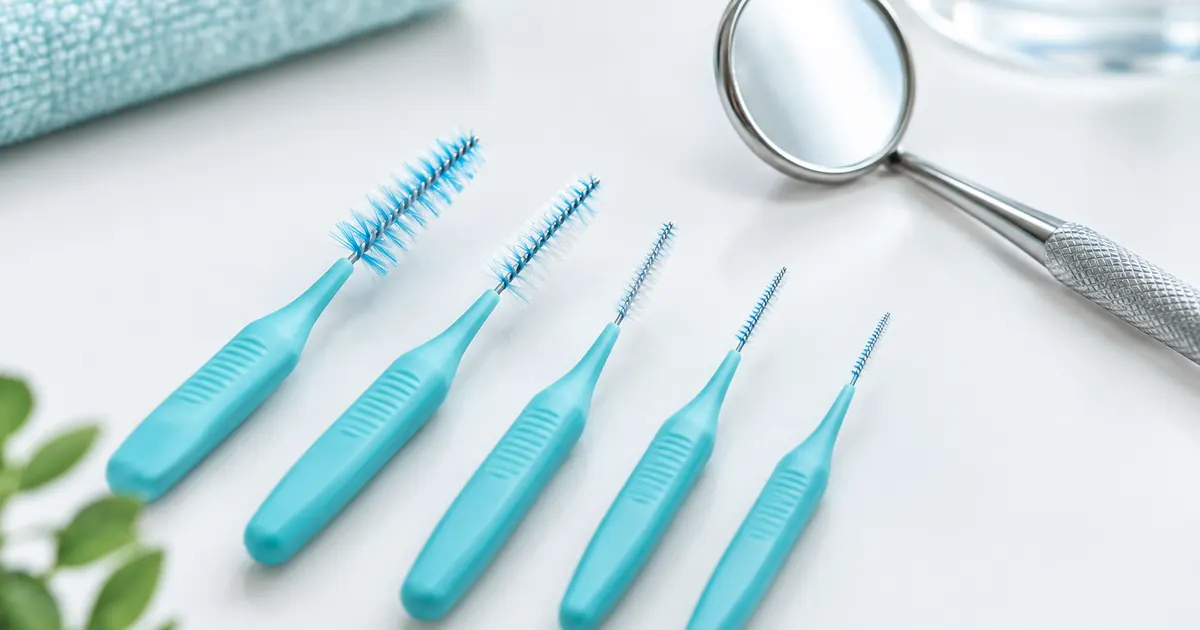
Angle the bristles into the gumline and let the tips clean the pocket area. For the spaces a toothbrush head cannot reach — between teeth — interdental brushes are the tool. A 0.7mm interdental brush set covers most adult gaps; the first week feels awkward, the second week it is habit.
Mistake 4: Brushing Straight After Acid
After citrus, soda, wine, or anything acidic, your enamel is softened for roughly 30 minutes. Brushing during that window scrubs the softened layer away. Either brush before the acid exposure, or rinse with water and wait 30 minutes after. Morning order matters: brush first, then have your coffee.
Mistake 5: Keeping a Brush Too Long
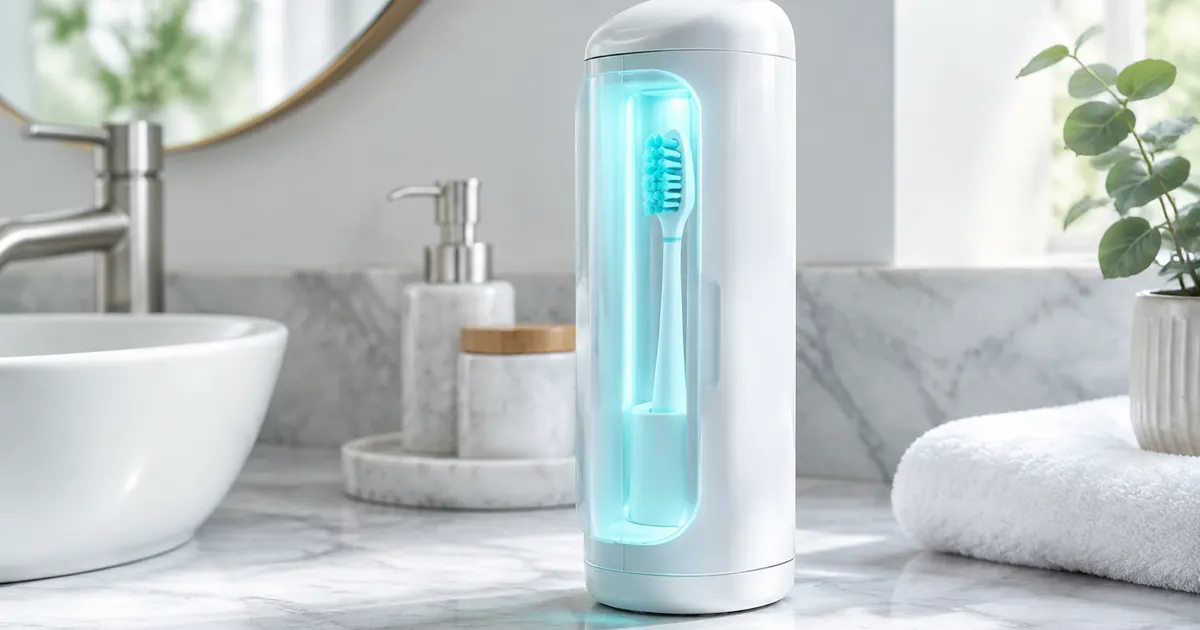
Bristles fatigue. After about three months they clean less effectively and harbor more bacteria. Replace your brush or head quarterly — set a phone reminder. Between replacements, keep the brush dry and ventilated: a wall-mount holder with airflow beats a closed cabinet, and a UV-C sanitizer reduces the bacterial load on the head between uses.
The Two-Minute Routine, Done Right
- 0:00–0:30 — Outer surfaces, upper right to upper left. 45-degree angle into the gumline, small circles.
- 0:30–1:00 — Outer surfaces, lower left to lower right. Same angle; go gently along the gumline.
- 1:00–1:30 — Chewing surfaces. Flat strokes into the pits and fissures of molars — the most cavity-prone area of the mouth.
- 1:30–2:00 — Inner surfaces, especially the lower front teeth. The inner lower incisors collect tartar fastest; use the brush tip vertically.
This sequence sounds rigid for three days, then becomes automatic — the same way parallel parking does.
Finish with a tongue scraper — the tongue holds a large share of the mouth's bacteria and is the source of most morning breath. Two gentle strokes down the center and the difference is immediate.
When to Brush: Frequency and Timing
Twice a day is the evidence-backed standard — once before bed is non-negotiable, because saliva flow drops overnight and plaque left undisturbed while you sleep does the most damage. A midday third brush after lunch is a bonus, not a requirement; if you only carry a brush for one extra session, make it that one.
Wait about 30 minutes after an acidic meal or drink before the extra session, per the enamel rule above. And resist the temptation to brush harder after sugary treats — the sugar does not require force to remove, only contact. Gentle and thorough beats vigorous and rushed every single time it is measured in a clinic.
Small Fixes, Compounding Results
None of these corrections requires new equipment or more time — the two minutes you already spend, redirected: softer bristles, lighter pressure, the right angle, a timer, and a quarterly replacement habit. Do that and your next cleaning will be shorter, quieter, and cheaper. For tools matched to proper technique, browse the manual and electric collections.