Electric toothbrushes run from $15 to $300, and the packaging suggests the difference is features. Some of those features genuinely change cleaning outcomes; others are shelf-appeal. This guide separates the two so you can buy once, buy well, and keep the difference.
Features That Genuinely Matter
Motion type and frequency
Two technologies dominate: oscillating-rotating (small round heads that spin and pulse) and sonic (elongated heads vibrating at high frequency — 40,000 vibrations per minute is the effective benchmark). Both clean well; sonic models tend to feel gentler and generate fluid motion that reaches slightly beyond the bristle contact point. Either technology, used properly, outperforms manual brushing.
Battery life and charging
Battery life is a daily-life feature: a 21-day battery means charging twice a month; a 60-day kids' model means the charger can live in a drawer. USB-C charging is the modern standard — one cable shared with your phone and laptop instead of a proprietary dock.
Timer and quadrant pulses
The two-minute timer with 30-second quadrant pulses is the feature most correlated with better brushing, because it fixes the most common failure. Non-negotiable in our view.
Pressure sensor
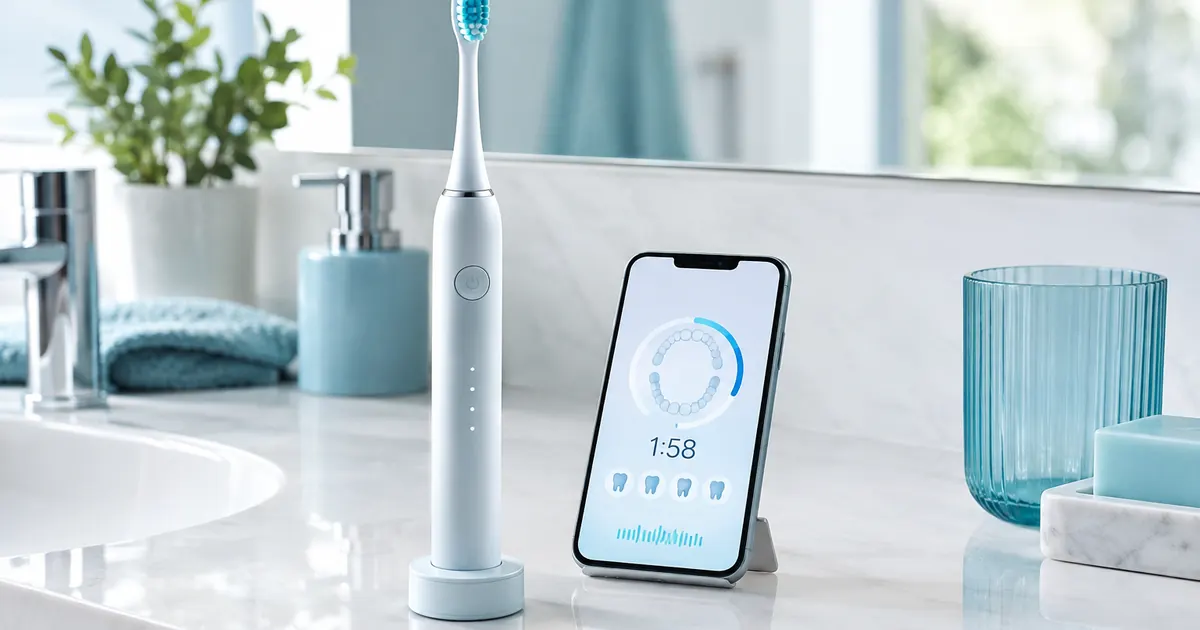
Electric brushing plus manual-brushing pressure equals gum damage. A pressure sensor that pulses or slows the motor when you press too hard protects the gums you will want at 70. Smart models with app feedback take this further — a smart brush with cleaning modes and app tracking flags both overpressure and the zones you skip.
Features That Are Mostly Marketing
- Mode proliferation: five or more modes where two would do. Sensitive and standard cover 95% of needs; a brush with soft silicone bristles and compact design covers the rest through hardware, not software.
- Bluetooth without behavior change: apps that just show a score you will check twice. The exception: apps that map skipped zones genuinely help chronic under-brushers.
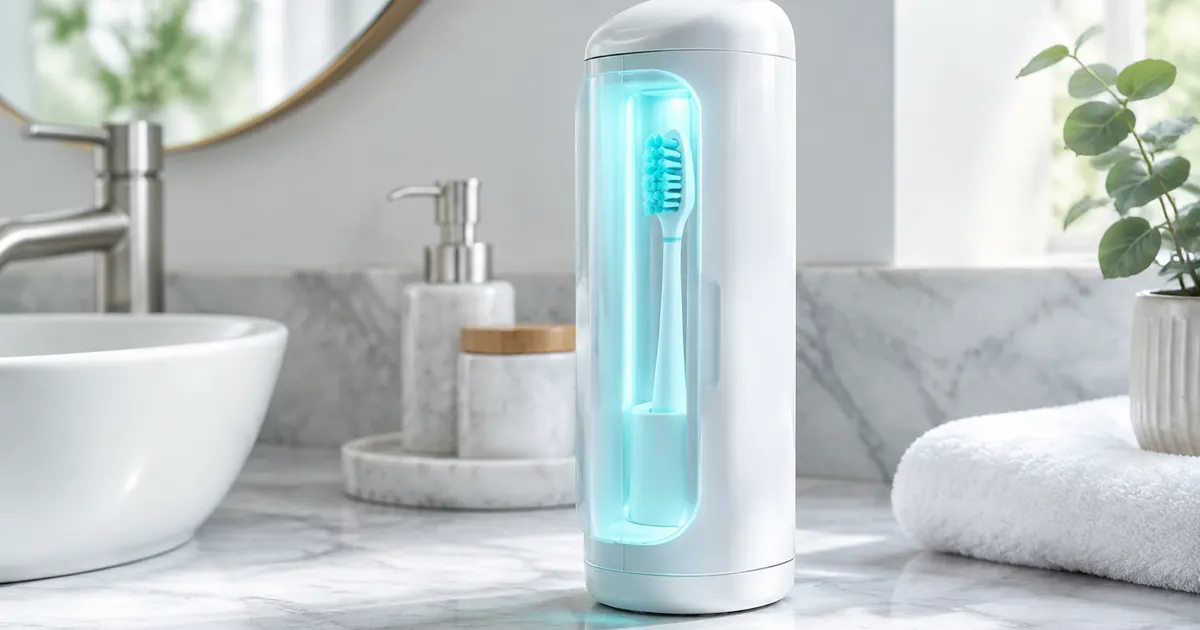
- Travel cases as premium differentiators: a case is a $10 accessory — see our slim travel case — not a reason to choose a handle.
Matching the Brush to the Brusher
The skeptic upgrading from manual: a sonic plaque remover with USB-C — timer, real motor, no app. The over-brusher: pressure sensor is the priority; smart feedback if the budget allows. The family: a kids' model with a 60-day battery and compact head sized for small mouths, plus a charging stand that keeps counters organized. The frequent traveler: a compact travel brush with USB-C charging that lives in your bag.
The Total Cost Picture
Factor in brush head replacement — every three months, forever. Handles with proprietary heads lock you into their consumable pricing; standard-fit heads like our 4-pack of nylon replacement heads keep the long-term cost honest. A $50 brush with $4 heads beats a $30 brush with $12 heads within two years.
Warranty, Repairs, and Long-Term Ownership
An electric toothbrush is a small appliance with a hard life: wet bathroom counters, daily vibration, drop risk. Check the warranty length before buying — two years is standard, and longer usually signals a manufacturer confident in its motor seals. Keep the proof of purchase; battery-related failures typically appear in months 18 to 30, right at the warranty boundary.
Long-term ownership questions worth asking before checkout: Can you replace the battery, or is the handle disposable when the cell dies? Are replacement heads available at multiple price points, or locked to one premium line? Does the charging method use a proprietary dock that must be replaced if it fails, or standard USB-C? A USB-C charged sonic brush answers all three questions favorably — standard cable, standard heads, serviceable handle.
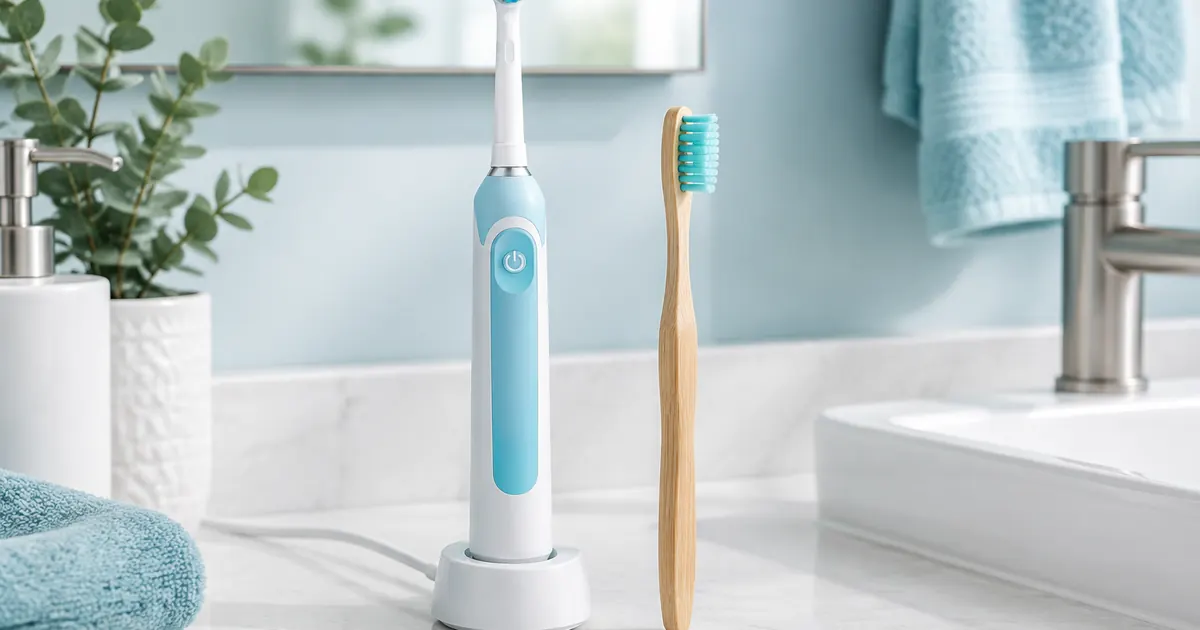
Also plan the accessory ecosystem: a universal charging stand keeps the counter organized and works across handles, and a ventilated travel case protects bristles in transit. Buying these alongside the handle costs little and prevents the counter clutter that quietly makes people resent the routine.
When to Upgrade
Signs it is time to replace the handle rather than just the head: the battery no longer holds a week of charges, the motor audibly strains, or the seal around the button shows moisture inside. Pushing a dying brush through another year costs more in cleaning quality than a replacement costs in money.
Buy Once, Brush Well
The best electric toothbrush is the one with a timer you will actually use twice a day, a battery that survives your travel, and heads you can afford to replace quarterly. Everything else is preference once the fundamentals are covered. Browse the full electric toothbrush collection — every model here passes that filter.